
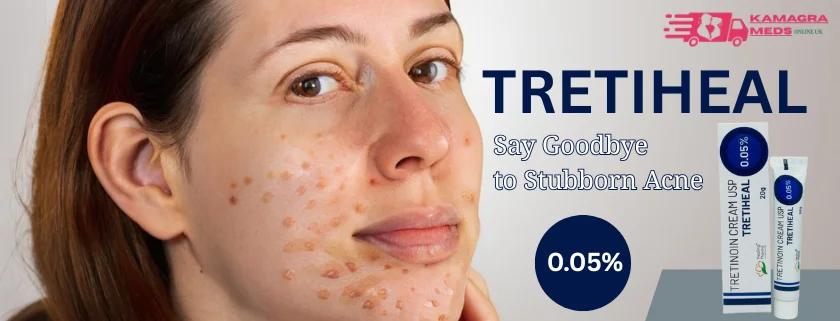
Tretinoin cream is a popular skincare treatment, especially known for its effectiveness in treating acne and reducing the appearance of wrinkles. If you’re considering adding tretinoin cream to your skincare routine, it’s essential to understand its benefits, how to use it, and where to purchase it in the UK. This comprehensive guide will answer all your questions, including how to apply tretinoin cream, what it’s used for, and the best strength for wrinkles.
What is Tretinoin Cream?
Tretinoin cream is a topical treatment derived from vitamin A, also known as a retinoid. It’s commonly prescribed by dermatologists for a variety of skin conditions. Tretinoin works by promoting skin cell turnover, which helps to shed dead skin cells, revealing fresher, smoother skin underneath.
Unlike over-the-counter retinol, which is a milder form of retinoid, tretinoin is stronger and typically prescribed for more severe skin concerns. It’s most well-known for its ability to treat acne, but it also plays a significant role in reducing the appearance of fine lines, wrinkles, and other signs of aging.
What is Tretinoin Cream Used For?
Tretinoin cream is a versatile skincare product used for various skin concerns, including:
Acne Treatment:
Tretinoin helps prevent the formation of acne by unclogging pores, reducing inflammation, and encouraging the turnover of skin cells. It’s one of the most effective treatments for both mild and severe acne.
Anti-Aging (Wrinkles and Fine Lines):
Tretinoin is widely used in the treatment of wrinkles and fine lines caused by aging. It stimulates collagen production, which helps tighten the skin and improve its texture, giving you a more youthful appearance.
Hyperpigmentation and Dark Spots:
Tretinoin helps lighten dark spots, sun spots, and hyperpigmentation by promoting the shedding of pigmented skin cells, revealing brighter skin.
Skin Texture and Tone:
By accelerating skin cell turnover, tretinoin can help improve skin texture, making it smoother and more even in tone, which is particularly beneficial for those with rough or uneven skin.
How to Use Tretinoin Cream
When using tretinoin cream, it’s essential to follow a specific routine to maximize its effectiveness while minimizing potential irritation. Here’s a step-by-step guide on how to use it safely:
Step 1: Cleanse Your Skin
Start by thoroughly cleansing your face with a mild, non-irritating cleanser. Pat your skin dry with a towel. Avoid using harsh scrubs or exfoliants, as they can irritate the skin when combined with tretinoin.
Step 2: Apply a Pea-Sized Amount
After your skin is dry, apply a small amount of tretinoin cream, roughly the size of a pea, to your entire face. Avoid the areas around your eyes, mouth, and nostrils, as these areas are more sensitive and prone to irritation.
Step 3: Use It at Night
Tretinoin should be applied once a day, ideally at night. This is because tretinoin increases your skin’s sensitivity to sunlight, so it’s important to apply it before bed to avoid sun damage.
Step 4: Follow with Moisturizer
To help prevent dryness or irritation, follow up with a moisturizer after applying tretinoin. Look for one that’s hydrating and soothing to your skin.
Step 5: Start Slow
If you are new to tretinoin, start by applying it every other night or two to three times per week to allow your skin to gradually adjust. Over time, you can increase the frequency as your skin builds tolerance.
How to Apply Tretinoin Cream Effectively
To achieve the best results from tretinoin cream, it’s essential to apply it correctly:
- Avoid Over-Application: Using more than a small, pea-sized amount will not speed up results and can lead to irritation. A thin, even layer is all you need.
- Be Gentle: Apply the cream gently without rubbing it into your skin aggressively.
- Be Consistent: Consistency is key when using tretinoin. Stick to your nightly routine, but be patient—it can take several weeks or even months to notice visible improvements.
Where Can I Buy Tretinoin Cream in the UK?
In the UK, tretinoin cream is available by prescription only, meaning you’ll need to visit a doctor or dermatologist for an assessment. After obtaining a prescription, you can purchase tretinoin from licensed pharmacies, either in-store or online.
When buying tretinoin cream online, ensure the pharmacy is registered with the General Pharmaceutical Council (GPhC) to ensure you’re getting a legitimate, safe product. Do not purchase tretinoin from unregulated websites, as these may sell counterfeit or expired medications.
What Strength of Tretinoin Cream is Best for Wrinkles?
When it comes to treating wrinkles and fine lines, the ideal strength of tretinoin cream depends on your skin type and previous experience with retinoids.
Strengths of Tretinoin:
- 0.025% Strength: Ideal for beginners or those with sensitive skin. It’s often used to treat mild acne and fine lines.
- 0.05% Strength: A mid-range strength that is commonly used for treating acne and moderate signs of aging, including wrinkles and fine lines.
- 0.1% Strength: This is the highest strength and is often recommended for more severe cases of acne or for those looking to treat deep wrinkles or more advanced signs of aging. However, it may cause more irritation, so it’s important to use it carefully.
For wrinkles, starting with a lower strength (0.025%) is often recommended, especially if you’re new to tretinoin. Once your skin has built tolerance, you can gradually move up to 0.05% or 0.1% for stronger effects. Always follow your dermatologist’s advice to find the right strength for your skin.
Final Thoughts on Tretinoin Cream
Tretinoin cream is a powerful skincare product that offers numerous benefits, from treating acne to reducing the appearance of wrinkles and improving skin texture. By using it correctly and consistently, you can achieve noticeable improvements in your skin’s appearance. Remember to start slowly, follow a good skincare routine, and consult your healthcare provider to find the best strength for your needs.
Whether you’re using it for acne, wrinkles, or overall skin rejuvenation, tretinoin cream is a proven solution that can help you achieve healthier, smoother skin.
Frequently Asked Questions (FAQ) About Tretinoin Cream
1. What is Tretinoin Cream?
Tretinoin cream is a topical medication derived from vitamin A. It is a retinoid that helps improve skin texture by promoting the turnover of skin cells. Tretinoin is widely used to treat acne, fine lines, wrinkles, and hyperpigmentation, offering multiple skincare benefits by encouraging fresh, smoother skin.
2. How do I use Tretinoin Cream?
To use Tretinoin cream effectively:
- Start with clean, dry skin. Wash your face with a gentle cleanser and pat dry.
- Apply a small amount (about a pea-sized amount) to the entire face, avoiding sensitive areas like the eyes and mouth.
- Use it at night as part of your bedtime routine. Tretinoin increases skin sensitivity to sunlight.
- Follow up with a moisturizer to minimize dryness and irritation, especially if you are new to using tretinoin.
3. What is Tretinoin Cream used for?
Tretinoin cream is used to treat various skin conditions, including:
- Acne: By preventing clogged pores and reducing inflammation.
- Wrinkles and fine lines: Stimulating collagen production to improve skin elasticity and smoothness.
- Hyperpigmentation: Reducing dark spots and uneven skin tone.
- Skin texture: Promoting smoother, clearer skin through accelerated cell turnover.
4. Where can I buy Tretinoin Cream in the UK?
In the UK, Tretinoin cream is available by prescription only. To obtain it, you must first consult a doctor or dermatologist who will assess your skin concerns and provide a prescription. Once you have a prescription, you can purchase tretinoin from licensed pharmacies, either online or in-store, that are General Pharmaceutical Council (GPhC) registered.
5. What strength of Tretinoin cream is best for wrinkles?
For treating wrinkles and fine lines, the best strength of Tretinoin cream typically ranges from 0.025% to 0.1%. If you are new to tretinoin, it’s recommended to start with a lower concentration (0.025%) to minimize irritation and gradually increase as your skin builds tolerance. Stronger concentrations, such as 0.05% or 0.1%, are more effective for deeper wrinkles but may cause more irritation, so they should be used cautiously.
6. Can I use Tretinoin cream with other skincare products?
Yes, you can use Tretinoin cream alongside other skincare products, but be cautious. Avoid using harsh exfoliants, scrubs, or other retinoids, as they may irritate your skin. It’s also important to apply sunscreen daily, as tretinoin increases skin sensitivity to the sun. Moisturizers and hydrating serums are ideal to pair with tretinoin to prevent dryness.
7. Are there any side effects of using Tretinoin cream?
Common side effects of Tretinoin cream include:
- Dryness, redness, and peeling, especially during the first few weeks of use.
- Skin irritation or stinging.
- Increased sun sensitivity.
These side effects are typically temporary as your skin adjusts to the medication. If the irritation is severe or persistent, consult your healthcare provider for advice on adjusting your usage.
8. How long does it take to see results from Tretinoin cream?
Visible results from Tretinoin cream can take 4-6 weeks to appear, with the most noticeable improvements usually seen after 3-6 months of consistent use. Patience is key, as Tretinoin works by gradually increasing skin turnover and collagen production.
9. Can I use Tretinoin cream during the day?
It is recommended to use Tretinoin cream at night because it can make your skin more sensitive to sunlight. Using tretinoin during the day can increase the risk of sunburn and other skin damage. If you must be in the sun, always wear a broad-spectrum sunscreen to protect your skin.
10. Can I use Tretinoin cream on my entire face?
Yes, Tretinoin cream can be applied to the entire face, but avoid sensitive areas like the eyes, lips, and nostrils. If you are new to using tretinoin, you may want to start by applying it to a small section of your face to see how your skin reacts before applying it to your entire face.
11. Can Tretinoin cream help with acne scars?
Yes, Tretinoin cream can help improve the appearance of acne scars by promoting the turnover of skin cells and encouraging the production of collagen. While it may not completely eliminate scars, it can make them less noticeable over time.
12. Can I use Tretinoin cream if I have sensitive skin?
If you have sensitive skin, it’s important to start with a lower strength (0.025%) and apply it only a few times per week to avoid irritation. Make sure to follow up with a moisturizer to reduce dryness and irritation. You may also want to consult your dermatologist before starting tretinoin to ensure it’s suitable for your skin.
Medical & Content Responsibility
Author: George William
Medically Reviewed By: Dr. Daniel Roberts – Medical Advisor
Last Review Date: April 2026
Next Review Date: April 2027
Medical Disclaimer
This content is intended for informational purposes only and does not replace professional medical advice, diagnosis, or treatment. Always consult a qualified healthcare professional before starting any medication or treatment for erectile dysfunction, especially if you have underlying health conditions or are taking other medications.
This article has been reviewed and written following standard medical content guidelines to ensure accuracy, clarity, and user safety. However, individual health conditions may vary, and professional medical consultation is strongly recommended for personalized advice.