
Unlicensed Kamagra ED Treatment – Is It Safe?
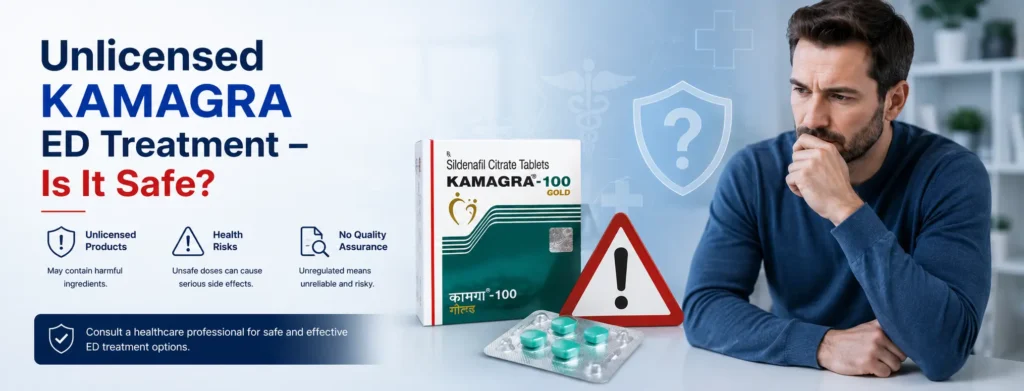
Many men search for whether it is safe to use Unlicensed Kamagra ED Treatment. Unlicensed Kamagra ED treatment is available at a low price online. But purchasing the medication from unverified sources can increase health risks significantly. Kamagra Products comprise Sildenafil, which is an affordable erectile dysfunction treatment UK. There are many concerns associated with the unlicensed products, such as counterfeit medications and unknown manufacturing standards. Sildenafil safety is an important consideration while consuming an oral medication. Erectile dysfunction (ED) iss a common condition that affects millions of men all over the UK. Kamagra ED treatment is a common search by people who are searching for online treatments. This article will guide you regarding is Kamagra safe, whether Kamagra is legal in the UK, what “unlicensed” actually means, and whether there are risks when buying Kamagra online. You will even get to know about how it works, the potential risks and side effects involved, and how to reduce risks when you buy Kamagra online UK. What Is Kamagra? Kamagra is an oral medication for the treatment of erectile dysfunction. Kamagra products comprise an active ingredient inside it that is Sildenafil. It is the same ingredient contained in licensed Viagra and generic Sildenafil medications. Sildenafil belongs to a group of medicines called PDE5 inhibitors. This medication works to increase the flow of blood to the male organ during sensual stimulation. It helps men to achieve and even maintain an erection. Kamagra products are available in various forms that might comprise standard tablets, oral jelly sachets, chewable tablets, flavoured oral gels, and combination erectile dysfunction products. These products are associated with Ajanta Pharma. It is an Indian pharmaceutical manufacturer that is well-known for providing generic medications. Oral jelly formats have increased due to their benefits, such as taste, convenience, and faster absorption experience compared to traditional tablets. What Does “Unlicensed” Kamagra Mean? Medications undergo strict approval and regulatory checks before they are available as licensed treatments. These checks ensure safety, effectiveness, manufacturing quality, and correct dosage consistency. The approval process is seen by the Medicines and Healthcare products Regulatory Agency, commonly known as the MHRA. When a medication is unlicensed, it has not received official UK authorisation for sale. So this is the answer if you are looking for Kamagra legality UK. Kamagra is a legal medication supplied through licensed pharmacies or healthcare providers. Unlicensed Kamagra products or unlicensed ED medication UK are not legally approved for sale in the UK pharmaceutical markets. But many websites sell Kamagra products directly to UK consumers. When you purchase the medication from such websites, there are risks associated with product authenticity, regulatory oversight, consumer safety, and prescription compliance. Unverified online sellers raise the risk of receiving counterfeit or unsafe products. How Does Kamagra Work? The functioning of Kamagra is based on sildenafil. This active ingredient blocks the functioning of an enzyme called phosphodiesterase type 5 (PDE5). It helps to relax the blood vessels and even improve the circulation of the male organ during the sensual stimulation. The increase in the flow of blood helps to support firm erections. It is important to understand that Sildenafil does not cause an erection. Sensual stimulation is essential for the medication to work. Kamagra is used for several reasons, such as erectile dysfunction support, improvement in sexual confidence, lower cost compared to branded ED medications, availability of oral jelly products, and ease of online purchasing. Is Unlicensed Kamagra Safe? There are many safety concerns associated with Unlicensed Kamagra, and these might include no UK licensing approval, unknown manufacturing standards, unpredictable sildenafil dosage, poor storage or transportation conditions, and poor-quality control testing. Many Kamagra safety UK products bypass regulated pharmaceutical systems, and they might not know what they are taking. If you buy Kamagra from unverified online sellers, it might increase various fake Kamagra risks, such as counterfeit medications, incorrect active ingredients, unsafe chemical contaminants, expired products, or scam websites stealing payment details. Various counterfeit ED medications comprise high or low amounts of Sildenafil. While some medications might comprise entirely different substances. Possible Side Effects of Kamagra Kamagra side effects might include the following: The above side effects are usually mild and temporary. Serious Side Effects NHS advises users to correctly follow dosage instructions and even consult a healthcare professional if serious side effects happen. Who Should Avoid Kamagra? Kamagra must be used by you as per the suggested dosage guidelines. The medication must not be used more than the suggested amount, as it might cause side effects. You even need to avoid the use of Kamagra with other ED medications. The combination of Kamagra with Nitrate medications is used for chest pain, Extreme alcohol consumption, Recreational drugs, and some blood pressure medications. Those who are experiencing underlying heart conditions or existing medical concerns need to consult a healthcare professional before using Kamagra. Understanding Counterfeit ED Medication Risks Counterfeit erectile dysfunction medications have become a global problem. Such kamagra products are sold through unofficial online marketplaces and unregulated websites. Kamagra risks linked with counterfeit medications may include harmful ingredients, incorrect sildenafil doses, poor hygiene during manufacturing, lack of medical instructions, or increased side effect risks. Consumers who are purchasing the ED medication need to look for clear business contact details, secure payment systems, transparent product information, professional website standards, and verified pharmacy practices. Avoid purchasing the medication from these websites, as these offer extremely cheap medications without any medical checks or pharmacy verification as it might result in Kamagra risks. Kamagra vs Licensed Sildenafil Treatments Licensed sildenafil medications undergo strict quality control and regulatory review. These might comprise branded Viagra, generic Sildenafil, and regulated pharmacy ED treatments. Unlicensed Kamagra products usually don’t meet the safety and manufacturing standards. Licensed medication offers consistent dosage accuracy, regulated manufacturing, medical guidance, and better consumer protection. Many men are purchasing Kamagra due to lower prices, easier access, product variety, oral jelly popularity, and the need for discreet purchasing. Safer Alternatives for Erectile Dysfunction in the UK Various licensed erectile dysfunction treatments are legally available in the
Sildenafil vs Tadalafil: What’s the Difference and Which Is Right for You?
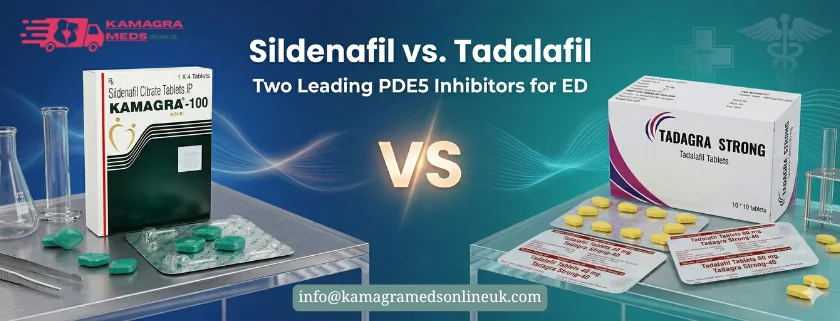
Introduction If you’re researching erectile dysfunction (ED) treatments in the UK, you’ll quickly notice that two medications dominate the conversation: Sildenafil and Tadalafil. Both are widely used to help men achieve and maintain erections, yet many people are unsure about the differences between them. One of the most common questions men ask is: “Is Sildenafil better than Tadalafil?” The answer depends on several factors, including how often you have sex, how quickly you want the medication to work, how long you want the effects to last, and your individual response to treatment. While both medications belong to the same class of drugs known as PDE5 inhibitors, they differ in duration, flexibility, and how they fit into a person’s lifestyle. For some men, Sildenafil provides exactly what they need. For others, the longer-lasting effects of Tadalafil may be more suitable. In this guide, we’ll compare Sildenafil and Tadalafil, explain how they work, discuss their benefits and potential side effects, and help you understand which option may be the better fit for your needs. What Is Sildenafil? Sildenafil is one of the most well-known erectile dysfunction treatments available. It is the active ingredient found in Viagra and works by increasing blood flow to the penis during sexual stimulation. When a man becomes sexually aroused, Sildenafil helps relax blood vessels, allowing improved circulation and making it easier to achieve and maintain an erection. It does not increase sexual desire or cause automatic erections, but rather supports the body’s natural response to arousal. Many men choose Sildenafil because of its long history of use, extensive research, and proven effectiveness in treating erectile dysfunction. What Is Tadalafil? Tadalafil is another widely used treatment for erectile dysfunction and is commonly associated with Cialis. Like Sildenafil, it works by improving blood flow during sexual stimulation. However, what makes Tadalafil different is its longer duration of action. Because it remains active in the body for much longer, some men prefer it for the added flexibility it provides. For individuals who want less planning around intimacy, Tadalafil is often considered an attractive option because of its extended effectiveness window. How Do Sildenafil and Tadalafil Work? Although they are different medications, Sildenafil and Tadalafil work in a very similar way. Both belong to a class of medicines known as PDE5 inhibitors. These medications help relax smooth muscle tissue and blood vessels, allowing more blood to flow into the penis during sexual stimulation. The key point to remember is that neither medication creates an erection automatically. Sexual arousal is still required for either treatment to work effectively. Because they share the same mechanism of action, both Sildenafil and Tadalafil are commonly prescribed for erectile dysfunction. The main difference lies in how long their effects last. Sildenafil vs Tadalafil: What’s the Main Difference? The biggest difference between Sildenafil and Tadalafil is duration. Sildenafil typically remains effective for several hours after taking it. This makes it suitable for men who prefer taking medication shortly before planned sexual activity. Tadalafil, on the other hand, is known for its significantly longer duration. In many cases, it can remain active for up to 36 hours. This extended window allows for greater spontaneity and reduces the need to carefully time intimacy. Because of this difference, the choice often comes down to lifestyle and personal preference rather than effectiveness alone. Which Works Faster: Sildenafil or Tadalafil? Both medications generally begin working within a similar timeframe for many users. Factors such as food intake, metabolism, alcohol consumption, and overall health can influence how quickly either medication takes effect. Some men report noticing results from Sildenafil slightly sooner, while others find little difference between the two. In practical terms, both medications are usually considered suitable for planned sexual activity when taken according to instructions. Which Lasts Longer? This is where Tadalafil has a clear advantage. While Sildenafil typically provides a window of effectiveness lasting several hours, Tadalafil is widely recognised for its long-lasting effects, which can extend up to 36 hours in some individuals. This does not mean an erection will last continuously during that time. Instead, it means the body may be more responsive to sexual stimulation throughout the period that the medication remains active. For men who value flexibility and spontaneity, this longer duration is often one of Tadalafil’s most appealing features. Is Sildenafil More Effective Than Tadalafil? Research suggests that both medications can be highly effective for erectile dysfunction. Rather than one being universally better than the other, effectiveness often depends on individual response. Some men find Sildenafil works exceptionally well, while others prefer the experience they have with Tadalafil. Factors that can influence results include: Finding the most suitable treatment often involves considering how the medication fits into your lifestyle rather than focusing solely on effectiveness. What Are the Side Effects of Sildenafil and Tadalafil? Like all medications, both Sildenafil and Tadalafil can cause side effects. Common side effects may include: Because the medications remain active for different lengths of time, some users report slight differences in their overall experience. However, the side-effect profiles are generally similar. Most side effects are mild and temporary, although medical advice should be sought if severe symptoms occur. Which Is Better for Spontaneous Sex? For men who prefer not to plan intimacy too far in advance, Tadalafil is often considered the more flexible option because of its longer duration. Its extended activity window means there may be less pressure to time medication precisely around sexual activity. Sildenafil, while highly effective, is often viewed as a treatment that requires more planning because of its shorter duration. For many couples, the choice comes down to whether convenience and spontaneity are priorities. Which Option Is Better for UK Men? There is no single answer that applies to everyone. Some men prefer Sildenafil because of its familiarity, affordability, and established reputation. Others appreciate Tadalafil’s longer-lasting effects and the flexibility it provides. The best choice often depends on: Understanding your own needs is often more important than focusing on which medication is considered “better”
Drugs Not to Take with Viagra (Sildenafil): Complete Safety Guide

Erectile dysfunction (ED) is a common condition affecting millions of men worldwide. It can make it difficult to achieve or maintain an erection during sexual activity. While medications like Viagra (Sildenafil) are highly effective, they can interact with certain drugs and cause serious health risks. Understanding what not to take with Viagra is essential to ensure safe and effective treatment. What is Viagra and How Does It Work? Viagra, which contains the active ingredient Sildenafil, is a clinically approved medication used to treat erectile dysfunction (ED). It belongs to a class of drugs known as phosphodiesterase type 5 (PDE5) inhibitors. According to medical research, Sildenafil works by relaxing the blood vessels and increasing blood flow to the penile region during sexual stimulation, thereby helping men achieve and maintain an erection. The medication typically begins to work within 30 to 60 minutes and remains effective for several hours. For safe and effective results, it should only be taken under the guidance of a qualified healthcare professional. Drugs Not to Take with Viagra 1. Nitrates (Highly Dangerous) The combination of Viagra with nitrate-based medications is considered one of the most serious and potentially life-threatening drug interactions. Nitrates, commonly prescribed for conditions such as angina (chest pain) and other heart-related issues, work by dilating blood vessels to improve blood flow. When taken alongside Sildenafil, both drugs amplify each other’s blood pressure-lowering effects, which can result in a sudden and dangerous drop in blood pressure (hypotension). Clinical evidence shows that this interaction may lead to severe dizziness, fainting, heart attack, or stroke. Additionally, recreational substances known as “poppers,” which contain nitrates, should also be strictly avoided. Patients with any history of cardiovascular conditions must consult their doctor before using Viagra. 2. Blood Pressure Medications Viagra can interact with medications used to manage high blood pressure, including ACE inhibitors, angiotensin receptor blockers (ARBs), beta-blockers, and diuretics. While these medications are essential for cardiovascular health, combining them with Sildenafil may enhance the blood pressure-lowering effect. This can increase the risk of symptoms such as dizziness, lightheadedness, or fainting, particularly when standing up quickly (orthostatic hypotension). However, in some cases, doctors may prescribe these medications together with careful monitoring. Therefore, it is crucial for patients to disclose their full medical history and current prescriptions to a healthcare provider before starting Viagra. 3. Antibiotics and Antifungal Medications Certain antibiotics and antifungal medications can interfere with the metabolism of Sildenafil in the liver, leading to higher concentrations of the drug in the bloodstream. Medications such as erythromycin, clarithromycin, ketoconazole, and itraconazole are known to inhibit enzymes responsible for breaking down Sildenafil. As a result, this interaction can increase the likelihood of side effects, including headaches, facial flushing, nasal congestion, and dizziness. In some cases, doctors may adjust the dosage of Viagra to minimize these risks. Patients should never self-adjust their medication and must seek professional medical advice when combining these treatments. 4. Other ED Medications Using Viagra in combination with other erectile dysfunction medications, such as Tadalafil or Vardenafil, is strongly discouraged. These medications belong to the same class of PDE5 inhibitors and function in a similar way. Taking them together can significantly increase the risk of adverse effects, particularly severe drops in blood pressure, prolonged erections (priapism), and cardiovascular complications. Medical guidelines clearly recommend using only one ED medication at a time unless specifically directed by a healthcare provider. 5. Alcohol and Grapefruit Juice Alcohol and grapefruit juice can both affect how Viagra works in the body. Excessive alcohol consumption may reduce the effectiveness of the medication and increase the risk of side effects such as dizziness, headaches, and low blood pressure. On the other hand, grapefruit juice can interfere with liver enzymes responsible for metabolizing Sildenafil, potentially leading to higher drug levels in the bloodstream. This can increase the intensity and duration of side effects. For optimal safety and effectiveness, healthcare professionals generally advise limiting alcohol intake and avoiding grapefruit products while using Viagra. Safety Tips When Taking Viagra To ensure the safe use of Viagra, patients should follow evidence-based medical guidance. It is important to inform your healthcare provider about all medications, supplements, and underlying health conditions before starting treatment. Viagra should always be taken at the prescribed dose, and self-medication or overdose must be avoided. Patients should also refrain from combining the drug with recreational substances or other ED medications. Immediate medical attention is necessary if symptoms such as chest pain, severe dizziness, or vision disturbances occur. Following these precautions can significantly reduce health risks and improve treatment outcomes. Conclusion Viagra is a widely used and effective treatment for erectile dysfunction, but its safety depends heavily on proper usage and awareness of potential drug interactions. Understanding which medications and substances to avoid with Sildenafil is essential for preventing serious health complications. By consulting a qualified healthcare professional and following prescribed guidelines, patients can use Viagra safely and effectively to improve their quality of life. Frequently Asked Questions (FAQs) 1. Can you take Viagra with blood pressure medication? Viagra can be taken with certain blood pressure medications, but only under medical supervision. Since Sildenafil lowers blood pressure, combining it with antihypertensive drugs may increase the risk of dizziness, fainting, or low blood pressure. A healthcare provider may adjust the dosage or monitor your condition to ensure safe use. 2. What happens if you take Viagra with nitrates? Taking Viagra with nitrates can cause a sudden and dangerous drop in blood pressure. This interaction is considered a medical emergency and may lead to fainting, heart attack, or stroke. For this reason, doctors strictly advise against using Sildenafil if you are taking nitrate medications or recreational drugs containing nitrates. 3. Can Viagra be taken with antibiotics? Some antibiotics, such as erythromycin or clarithromycin, can interact with Viagra by increasing its concentration in the bloodstream. This may raise the risk of side effects like headache, flushing, or dizziness. It is important to consult a doctor, who may recommend a lower dose or alternative treatment. 4. Is it safe