
We are here ready to support Health Medicine with free home delivery.
Causes of Erectile Dysfunction in Men: Physical, Psychological & Lifestyle Factors Explained
KamagraAdmin
March 19, 2026
Erectile dysfunction (ED) is a condition that affects many men and can occur due to a variety of reasons. While it is often associated with aging, the reality is that erectile dysfunction can develop at any age depending on physical health, mental well-being, and lifestyle habits.
Understanding the causes of erectile dysfunction in men is essential for identifying the right approach to treatment. In many cases, ED is not caused by a single factor but rather a combination of physical, psychological, and lifestyle-related influences.
This guide is designed to help you:
- Understanding Erectile Dysfunction
- Physical Causes of Erectile Dysfunction
- Lifestyle Factors That Contribute to Erectile Dysfunction
- Age and Erectile Dysfunction
- Relationship Between Erectile Dysfunction and Premature Ejaculation
- When to Identify the Cause of Erectile Dysfunction
- Final Thoughts
To understand what causes erectile dysfunction, it is important to know how erections work. During sexual stimulation, the brain sends signals that increase blood flow to the penile region. This process depends on healthy blood vessels, proper nerve function, and balanced hormone levels.
If any part of this system is affected, it may result in difficulty achieving or maintaining an erection. This is why identifying the underlying cause is key to finding effective erectile dysfunction treatment options in the UK.
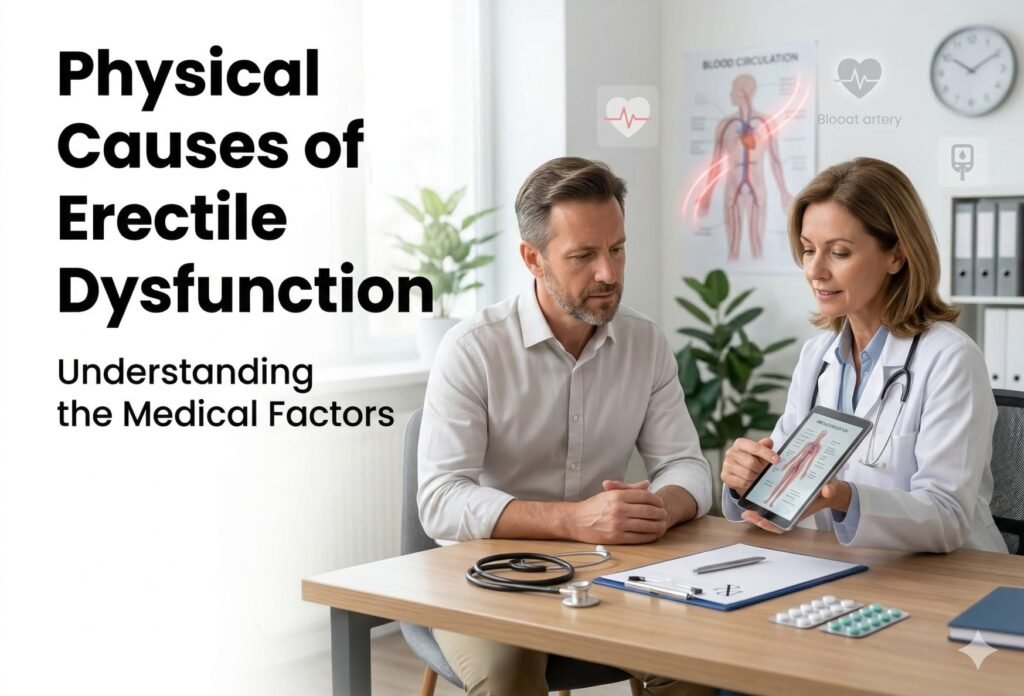
Physical Causes of Erectile Dysfunction
Physical or medical conditions are among the most common causes of erectile dysfunction. These conditions can directly affect blood flow, nerve signals, or hormone levels.
1. Poor Blood Circulation
Healthy blood flow is essential for achieving a firm erection. Conditions that restrict blood circulation can make it difficult for enough blood to reach the penile tissues.
2. Diabetes
Diabetes can damage both blood vessels and nerves over time, which may interfere with the body’s ability to respond to sexual stimulation.
3. High Blood Pressure
High blood pressure can affect the flexibility of blood vessels, reducing proper blood flow and increasing the risk of erectile dysfunction.
4. Heart Disease
Cardiovascular problems are closely linked to erectile dysfunction. In some cases, ED may even act as an early warning sign of heart-related issues.
5. Hormonal Imbalance
Low testosterone levels or hormonal changes can affect libido and overall sexual performance. Hormonal imbalance is another factor that may contribute to erectile dysfunction in men.
Psychological Causes of Erectile Dysfunction
Mental and emotional health play a significant role in sexual performance. In many cases, psychological causes of erectile dysfunction can either trigger or worsen the condition.
Common psychological factors include:
- Stress from work or personal life
- Performance anxiety during intimacy
- Depression or low self-esteem
- Relationship conflicts
These factors can disrupt the signals between the brain and body, making it difficult to achieve or maintain an erection.
Lifestyle Factors That Contribute to Erectile Dysfunction
Daily habits and lifestyle choices can have a long-term impact on erectile health. Many men overlook how strongly these factors influence sexual performance.
1. Smoking
Smoking damages blood vessels and reduces blood flow, which can significantly affect erectile function.
2. Excessive Alcohol Consumption
Alcohol can interfere with nerve signals and reduce the body’s ability to maintain an erection.
3. Lack of Physical Activity
A sedentary lifestyle can lead to poor cardiovascular health, which is closely linked to erectile dysfunction.
4. Unhealthy Diet
Poor nutrition may contribute to obesity, diabetes, and heart disease — all of which increase the risk of ED.
When psychological factors contribute to erectile difficulties, addressing emotional health and reducing stress levels can sometimes improve sexual performance.
Age and Erectile Dysfunction
Although erectile dysfunction becomes more common with age, it is not considered a normal part of aging. Instead, aging increases the likelihood of health conditions that may contribute to ED.
Many older men are still able to maintain a healthy sexual life with the right support and treatment options.

Relationship Between Erectile Dysfunction and Premature Ejaculation
Erectile dysfunction and premature ejaculation are different conditions, but they can sometimes be connected. Men experiencing ED may develop anxiety, which can lead to early ejaculation.
Similarly, performance concerns related to premature ejaculation may affect erection quality. Understanding this connection is important when exploring overall sexual health treatment options in the UK.
When to Identify the Cause of Erectile Dysfunction
Identifying the cause of erectile dysfunction is an important step toward effective management. If symptoms persist over time, it may be beneficial to explore possible physical or psychological factors.
Understanding whether ED is caused by lifestyle, emotional health, or underlying medical conditions can help guide the right approach to improvement.
Treatment Options Based on Causes
The treatment of erectile dysfunction often depends on its underlying cause. Common approaches may include:
Lifestyle changes such as exercise and healthy diet
Stress management and mental health support
Medications that improve blood flow, such as Sildenafil-based treatments
Addressing underlying health conditions
Many individuals explore Sildenafil tablets UK as part of their treatment options, as these medications are designed to support blood flow during sexual stimulation.
Final Thoughts
The causes of erectile dysfunction in men can vary widely and are often influenced by a combination of physical health, emotional well-being, and lifestyle habits. By understanding these causes, individuals can take informed steps toward improving their condition.
With proper awareness, early identification, and the right approach, many men are able to manage erectile dysfunction and improve both their confidence and quality of life.
Frequently Asked Questions (FAQ) About Causes of Erectile Dysfunction in Men
Erectile dysfunction can be caused by a combination of physical, psychological, and lifestyle factors. Common causes include poor blood circulation, diabetes, high blood pressure, stress, anxiety, hormonal imbalance, and unhealthy habits such as smoking or excessive alcohol consumption.
Yes, psychological factors such as stress, anxiety, depression, and performance pressure can significantly affect erectile function. These factors can interfere with the brain signals required to achieve and maintain an erection.
Poor blood circulation is one of the most common physical causes of erectile dysfunction. When blood flow to the penile region is restricted, it becomes difficult to achieve or maintain a firm erection during sexual activity.
Yes, unhealthy lifestyle habits such as smoking, excessive alcohol use, lack of exercise, and poor diet can increase the risk of erectile dysfunction. These habits can affect blood vessels, hormone levels, and overall health.
Age itself does not directly cause erectile dysfunction, but it increases the risk of health conditions such as heart disease, diabetes, and high blood pressure, which can contribute to ED.
Yes, diabetes is a major cause of erectile dysfunction. It can damage blood vessels and nerves over time, which are essential for achieving and maintaining an erection.
In some cases, erectile dysfunction may be an early sign of underlying health conditions such as cardiovascular disease or hormonal imbalance. It is important to pay attention to persistent symptoms.

Medical & Content Responsibility
Written by: George William
Medically Reviewed By: Dr. Daniel Roberts – Medical Advisor
Last Review Date: March 2026
Important Information
This content is intended for informational and educational purposes only and should not be considered medical advice. Erectile dysfunction can be linked to underlying health conditions, and treatment may vary depending on individual circumstances. Always consult a qualified healthcare professional before starting any medication or treatment. Do not ignore professional medical advice or delay seeking care based on information provided in this article.
References & Trusted Medical Sources
The information presented in this article is based on established medical research, clinical guidelines, and publicly available health resources. For further reading and verification, you may refer to the following trusted sources:
NHS – Provides comprehensive information on erectile dysfunction, including symptoms, causes, and treatment options available in the UK.
NICE – Offers evidence-based clinical guidelines on the diagnosis and management of erectile dysfunction.
Mayo Clinic – A globally recognised source for detailed explanations of erectile dysfunction, including physical and psychological causes.
British Heart Foundation – Highlights the connection between heart health, blood circulation, and erectile function.
European Medicines Agency – Provides safety and regulatory information on medications used to treat erectile dysfunction.
FDA – Offers safety guidelines and approvals related to medications such as Sildenafil and other PDE5 inhibitors.